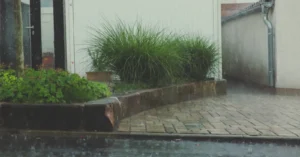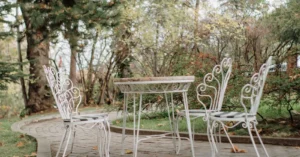
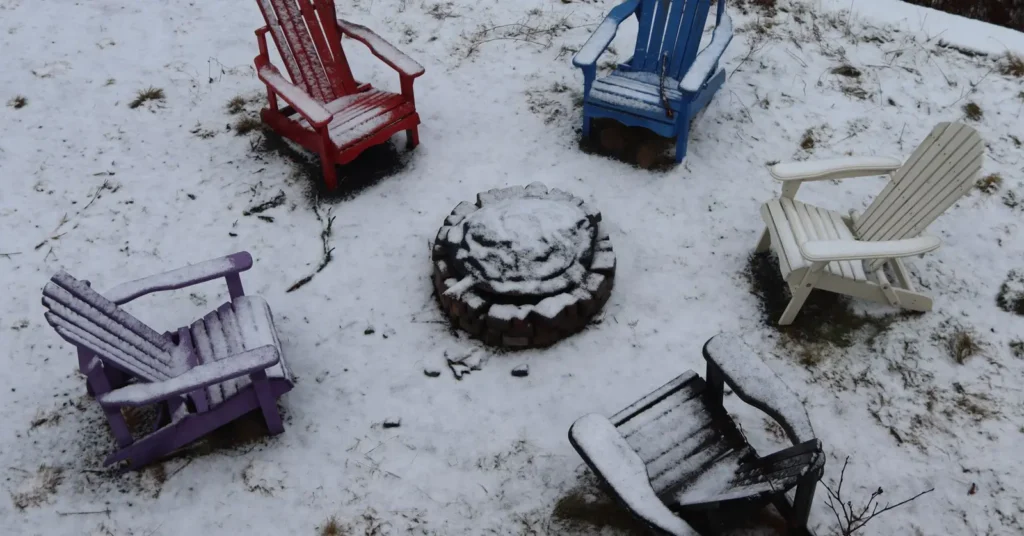
Honestly, winter is one of the best times to get a patio booked in Dublin, and most homeowners never think to do it. The ground does need to be workable and frost-free on the day we dig, but the bigger win is timing: you get a proper slot in the diary, the garden isn’t being lived in every evening, and by the time the first warm weekend of spring arrives your patio is already laid, settled and ready for furniture.
Why winter booking beats waiting until spring
Every year the same thing happens. The sun comes out in March, everyone suddenly wants a patio for the summer, and the diary fills up within a few weeks. By April we’re often booking into May or June. If you call us in November or December instead, you’re choosing your own dates rather than taking whatever’s left.
There’s also less pressure on us and on you. A winter job isn’t competing with three other gardens on the same road wanting work done at once, which is exactly what happens every June across places like Dundrum, Rathfarnham and Terenure. We can give a job the time it actually needs rather than rushing to hit a bank holiday deadline.
What actually happens on-site during a Dublin winter
People worry that cold weather means the job can’t go ahead, and that’s only partly true. We don’t pour concrete or lay on top of frozen ground, and a hard frost or waterlogged site will push a start date back a day or two. But Dublin’s winters are generally mild and wet rather than deep frozen for weeks on end, so most days are perfectly workable once we plan around the forecast.
What winter is genuinely good for is excavation and sub-base work. Cooler ground compacts well, and a hardcore base that’s laid and left over a few weeks of winter has time to settle properly before the flags or paving go down on top. Rushed jobs in the middle of a dry summer sometimes skip that settling time because everyone’s in a hurry. Winter removes that temptation.
The one thing we do watch closely is drainage. A lot of Dublin gardens, especially older ones around Drumcondra and Glasnevin with heavier clay soil, hold water badly in winter. That’s actually useful information for us: if a site is struggling to drain in January, we know exactly where the falls and drainage channels need to go so the patio doesn’t pool water in October when the novelty’s worn off. You find out a garden’s real drainage problems in winter, not in a dry July.
The scheduling advantage nobody mentions
If you’re planning any other garden work alongside the patio, a new boundary wall, raised beds, a side passage regraded, winter gives everyone room to coordinate. Landscapers, fencers and patio contractors are all quieter at this time of year, so it’s far easier to line up trades without six weeks of gaps between them. Come March, good tradespeople are booked solid and jobs get strung out over months.
It’s also worth checking with your local authority early if your patio work involves any changes to levels near a boundary, a raised terrace, or anything that might affect drainage onto a neighbouring property. Most straightforward patio replacements don’t need planning permission, but if you’re unsure, Dublin City Council or your local area’s planning office can confirm the current position before work starts rather than after.
What pushes the cost up or down
We don’t quote prices without seeing the site, because a few things genuinely change the figure a lot, and it’s fairer to explain them than to throw out a number that won’t hold up:
- Ground condition and access: a garden with easy machine access costs less to excavate than one where everything has to be barrowed through a narrow side passage.
- Existing surface removal: taking up old concrete, cracked slabs or a failed patio adds time and skip costs before the new work even starts.
- Material choice: porcelain and natural stone sit at a different price point to standard block paving, and that’s before pattern or colour variation is factored in.
- Drainage and levels: gardens that slope away from the house or hold water need extra groundwork to get the falls right.
- Size and shape: a simple rectangle is quicker to lay than a patio with curves, steps or multiple levels.
The honest way to find out what your own garden will cost is to have someone walk the site. That’s really the only way to give you a figure you can rely on.
Materials that handle an Irish winter well
Not every material copes equally well with Dublin’s freeze-thaw cycles and constant rain. Porcelain patios are extremely low maintenance and resist staining, moss and frost damage better than most options, which is why we’re laying more of them every year. Indian sandstone is a long-standing favourite for its natural look and has a good track record outdoors here, though it does need sealing to stay looking its best. Granite is about as tough as paving gets and suits a more contemporary garden. For anyone weighing up the full range, our natural stone patios and block paving pages go through the practical differences in more detail.
Getting your patio sorted before spring
We’ve been installing patios across Dublin for over 26 years, covering areas from Stillorgan and Blackrock to Swords and Dun Laoghaire, and the pattern repeats every single year: the people who book in winter get the garden they actually wanted, laid properly and with time to settle, while the spring rush ends up taking whatever slot is left. If you’re thinking about a new patio for next year, get in touch through our contact page now and we’ll arrange a site visit. You can see the full range of what we do on our patio services page.
Frequently Asked Questions
Can patios actually be installed in an Irish winter?
Yes, in most cases. We work around hard frosts and heavy rain rather than through them, but Dublin’s winters are usually mild enough that excavation, sub-base and laying can all go ahead on the majority of days. A short weather delay now and again is normal and we build that into the schedule.
Does a patio laid in winter need longer to settle before I can use it?
The sub-base often benefits from extra settling time in cooler weather, which is actually an advantage rather than a drawback. Once the surface is laid and pointed, you can use the patio as normal, following the usual guidance on keeping new pointing dry for the first short while.
Will I get a better price by booking a patio in winter?
We don’t offer set winter pricing, but quieter scheduling does mean less pressure to rush a quote through, and we have more flexibility to sequence the job efficiently. The real cost drivers are still ground condition, access, material and size, so get a site visit for an accurate figure.
Do I need planning permission for a new patio in Dublin?
Most straightforward patio replacements and new patios don’t require planning permission, but rules can depend on things like boundary proximity and overall ground coverage on the property. If you’re unsure, check directly with your local authority before work begins.
How far in advance should I book a winter patio job?
We’d suggest reaching out as soon as you’re seriously considering it, ideally a few weeks before you want digging to start. Winter diaries fill up more slowly than spring ones, but popular slots around the new year still go quickly.
What happens if there’s a hard frost on the day work is due to start?
We simply reschedule by a day or two until the ground is workable again. It’s a normal part of winter installation and doesn’t usually affect the overall project timeline in any meaningful way.